N3O_iD011z
Curated by Justin Apice, Colleen Dalusong, Kiera McIntosh, Naomi Moser, and Diana Sardaryan
April 16 - 30, 2026
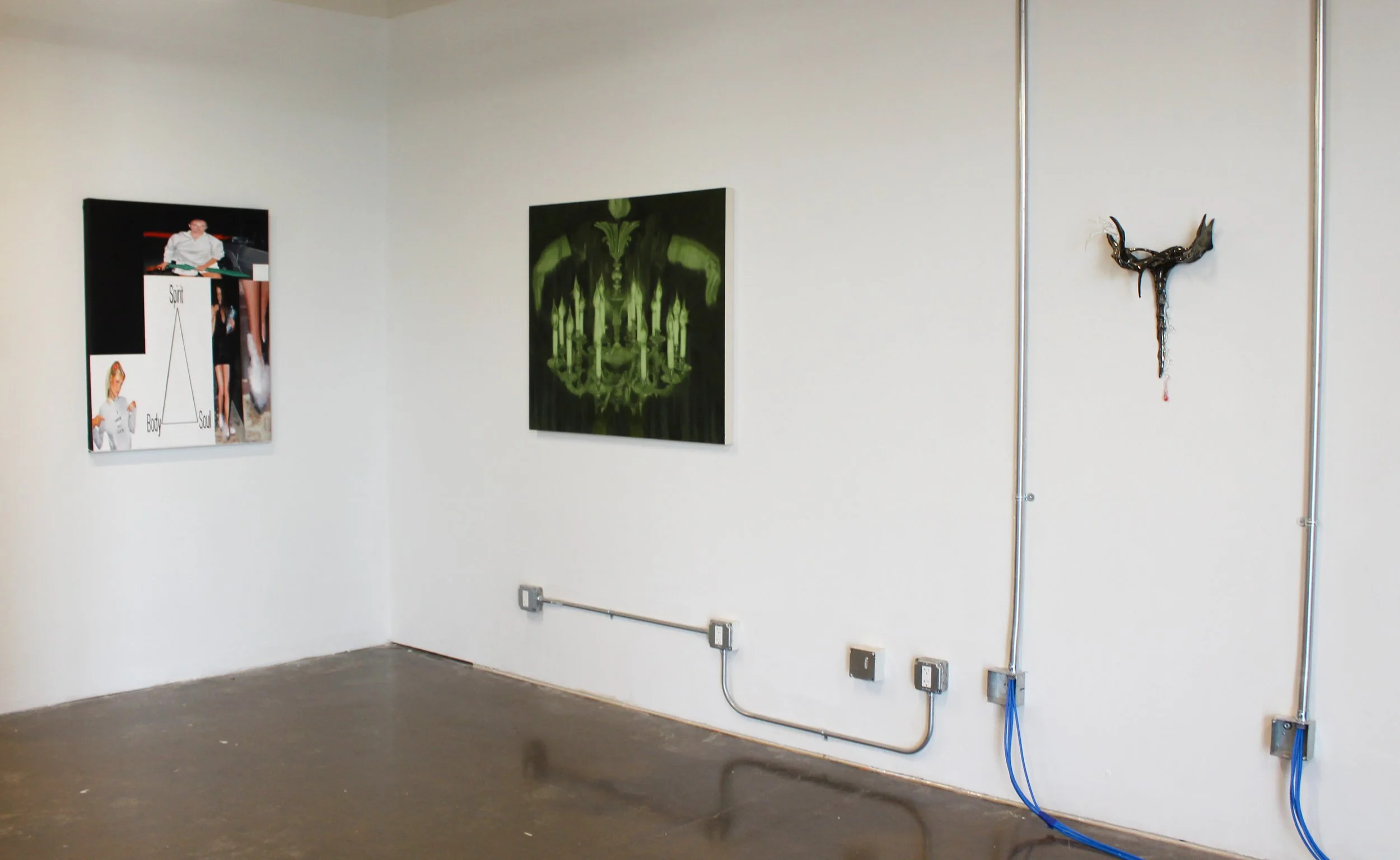
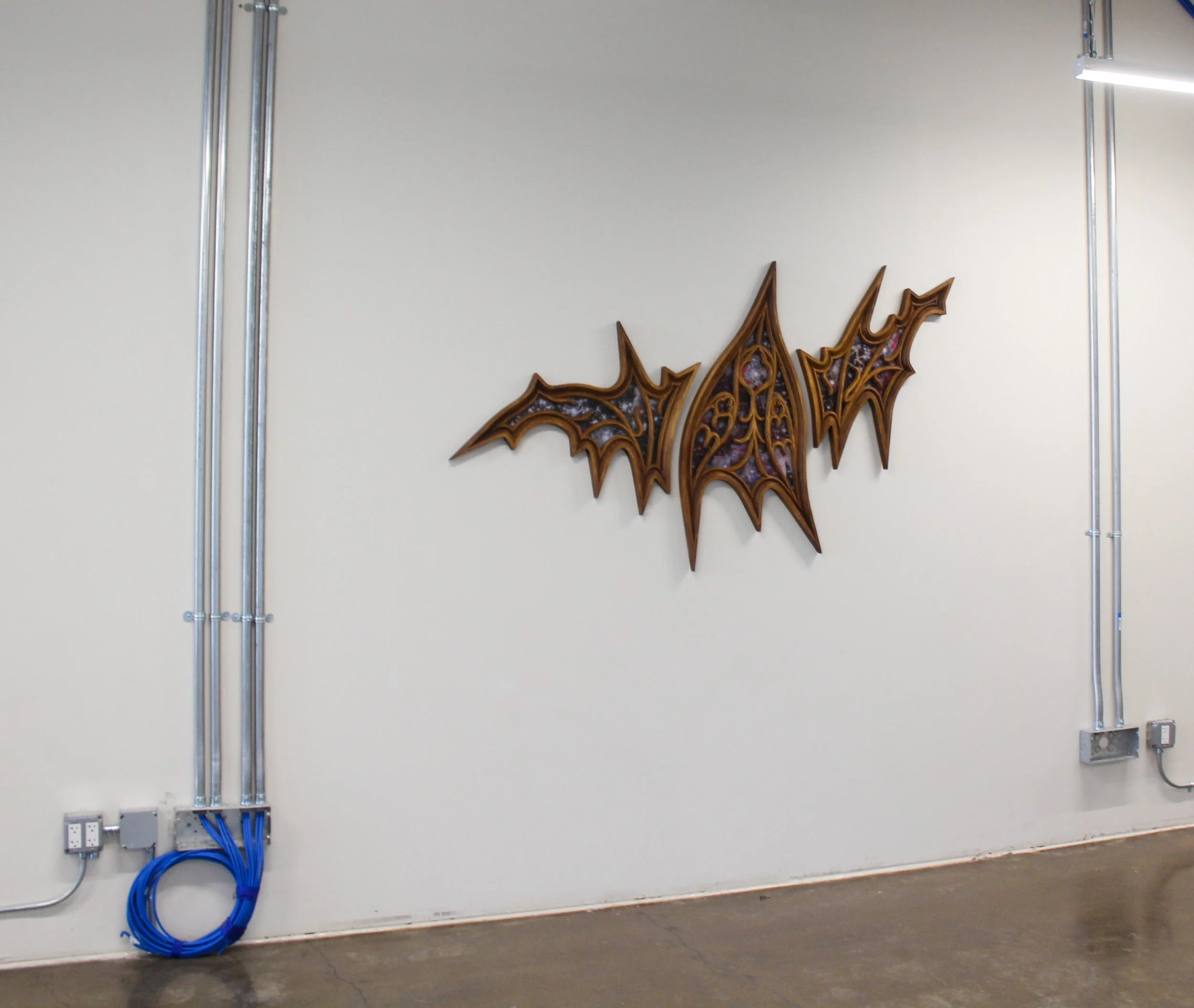
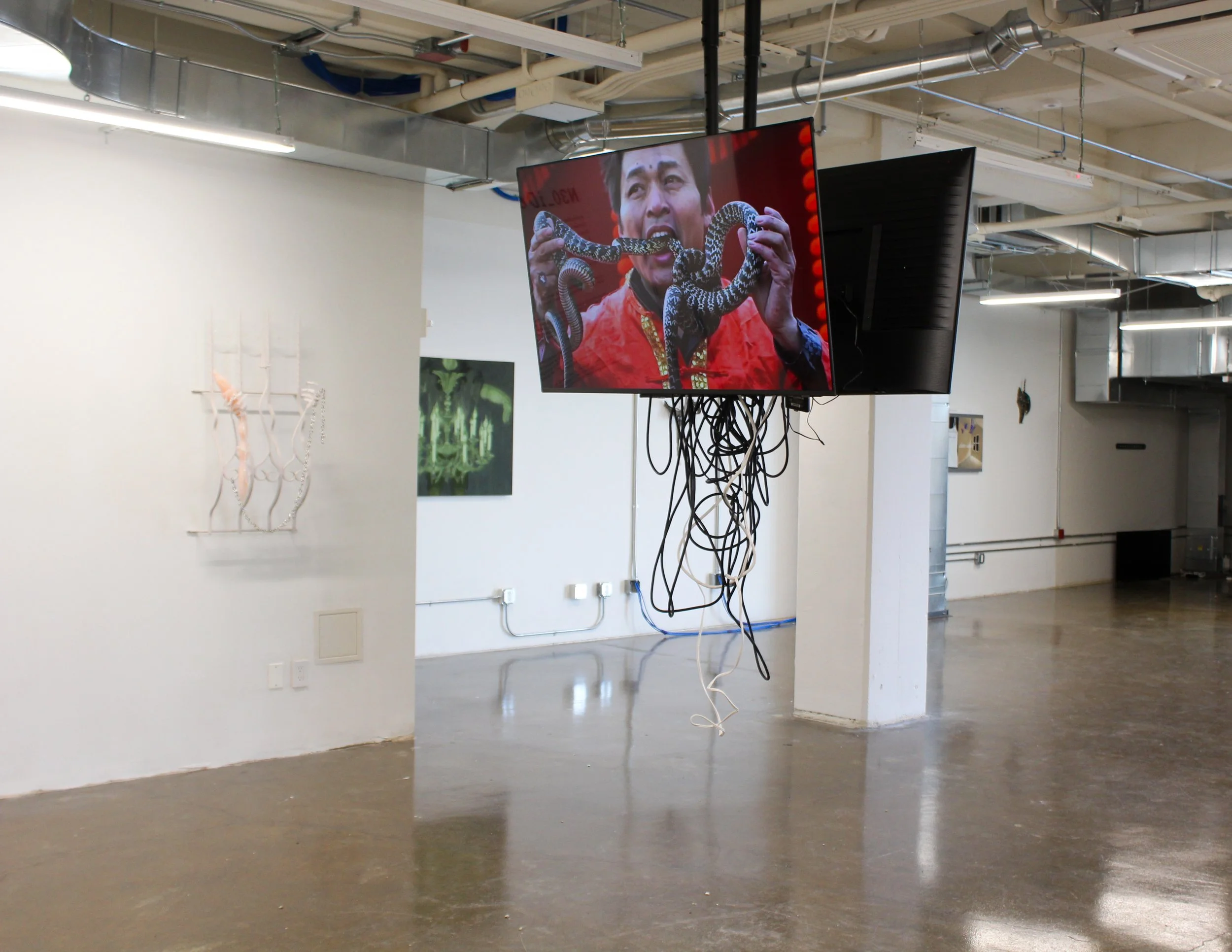
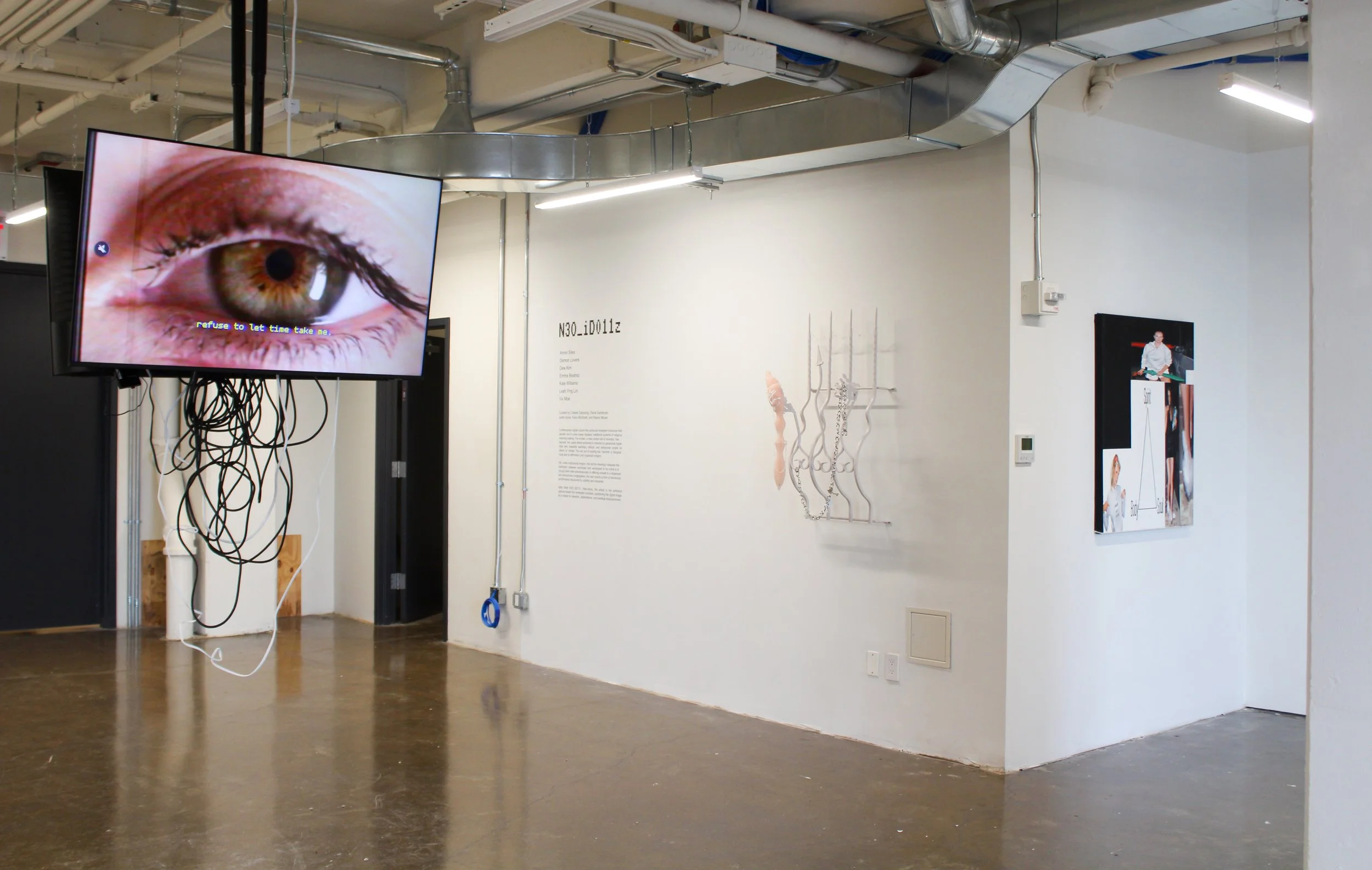
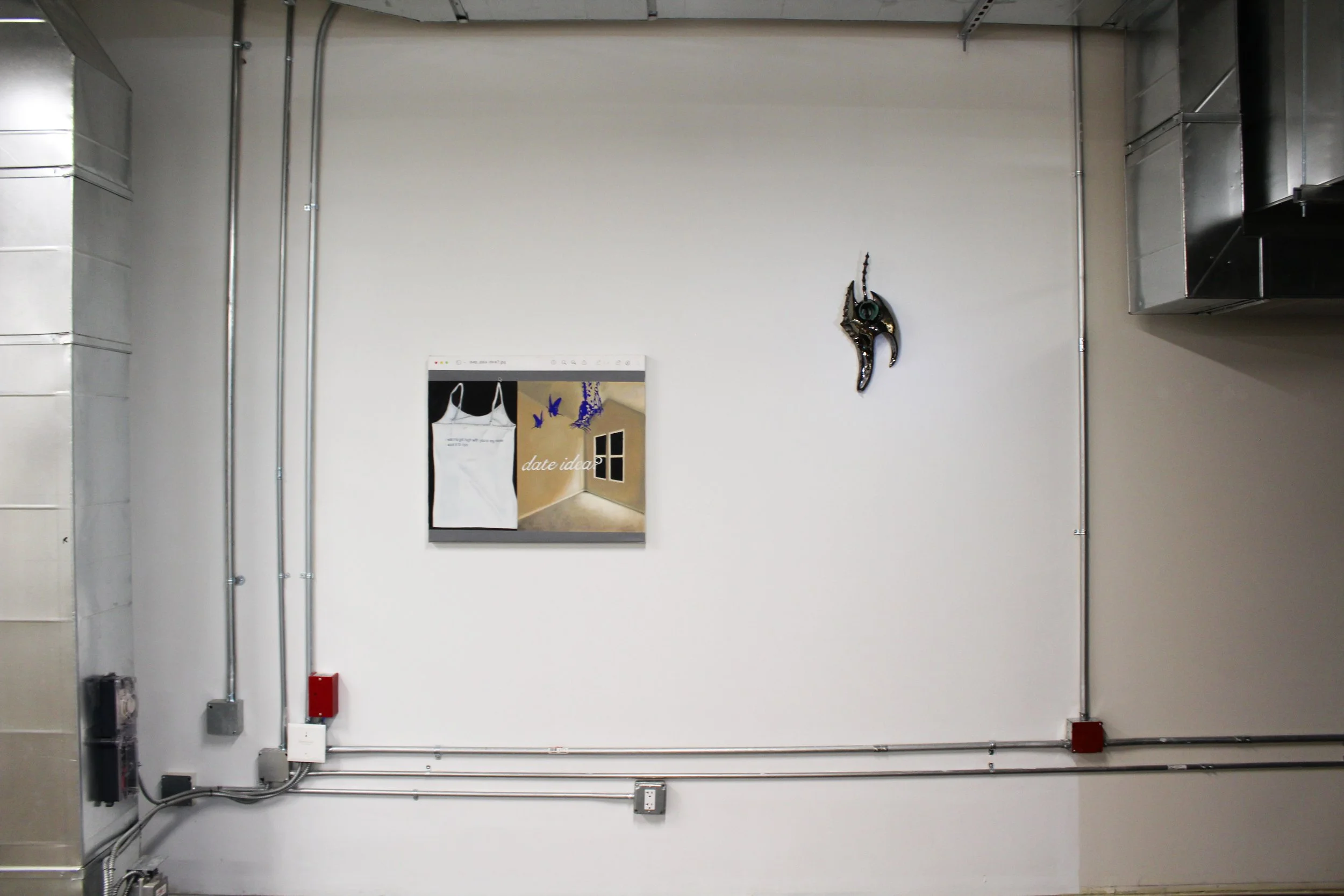
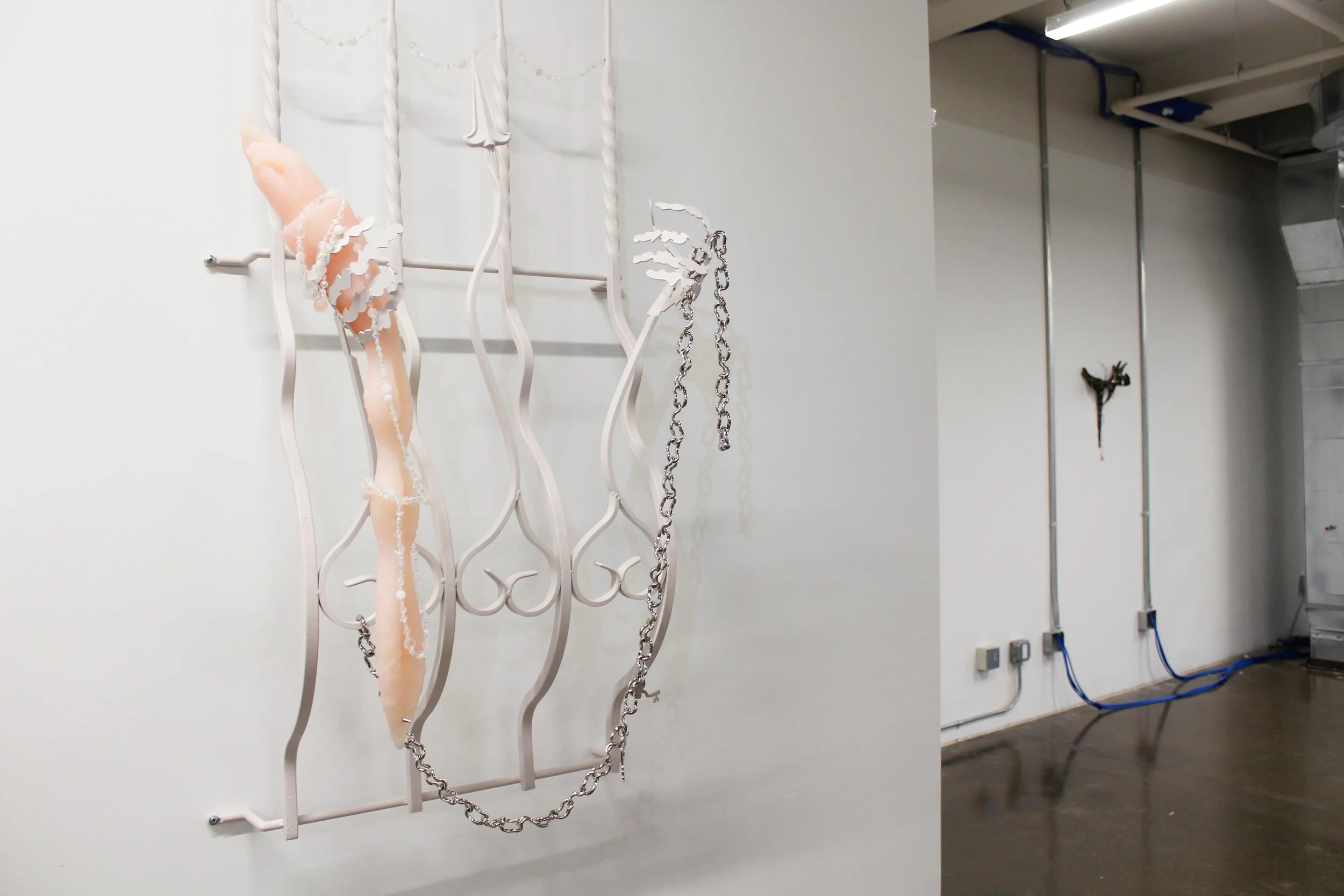
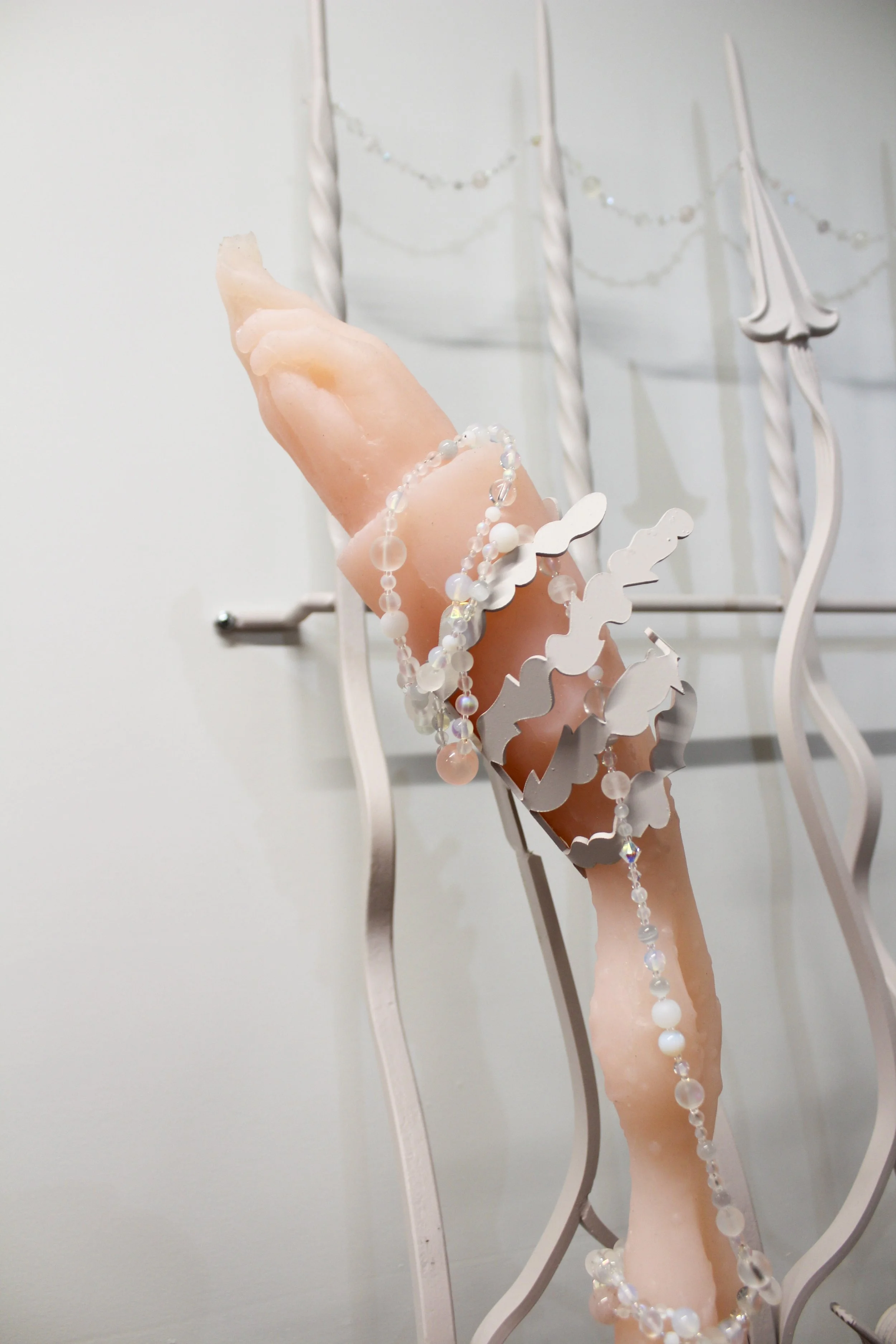
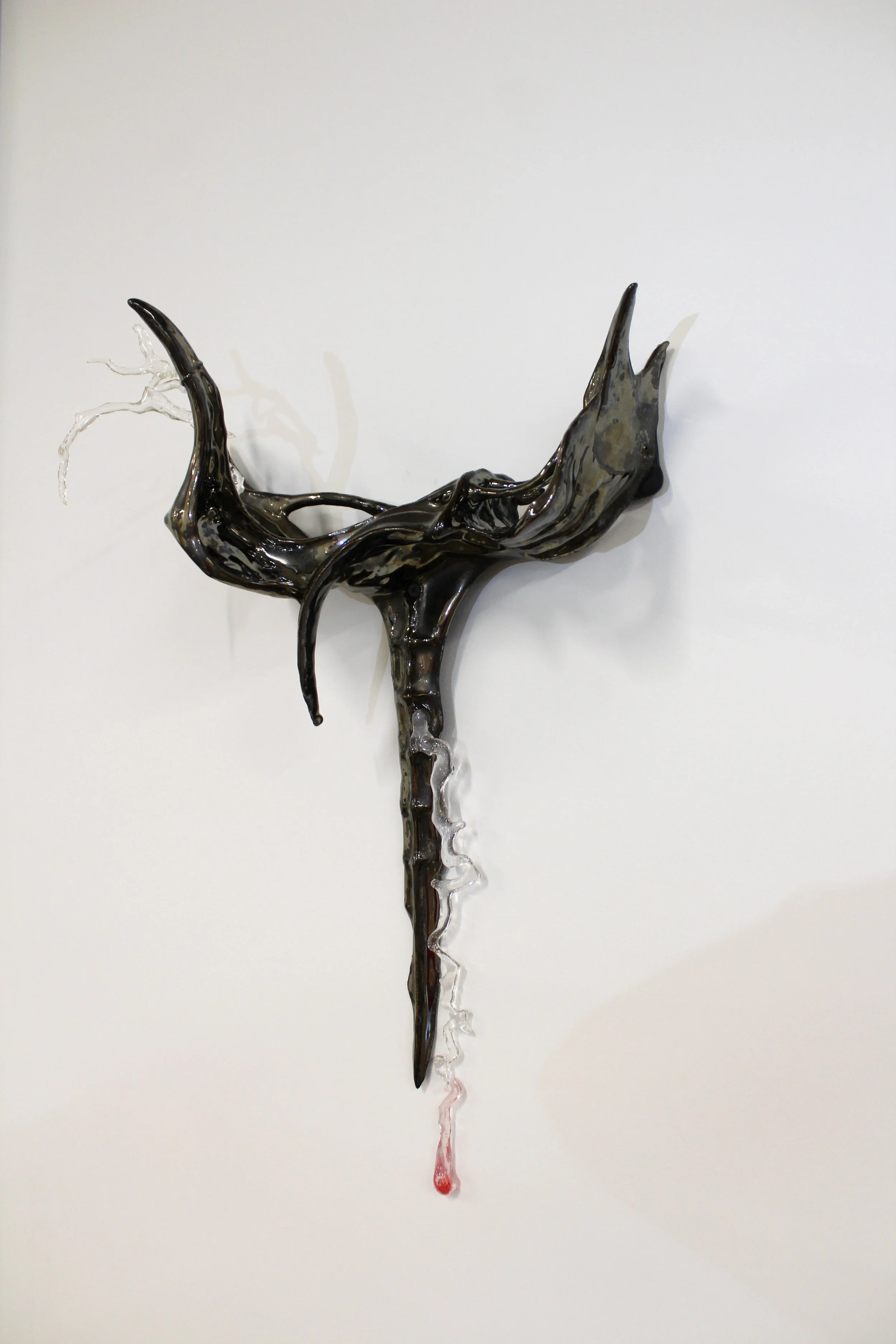
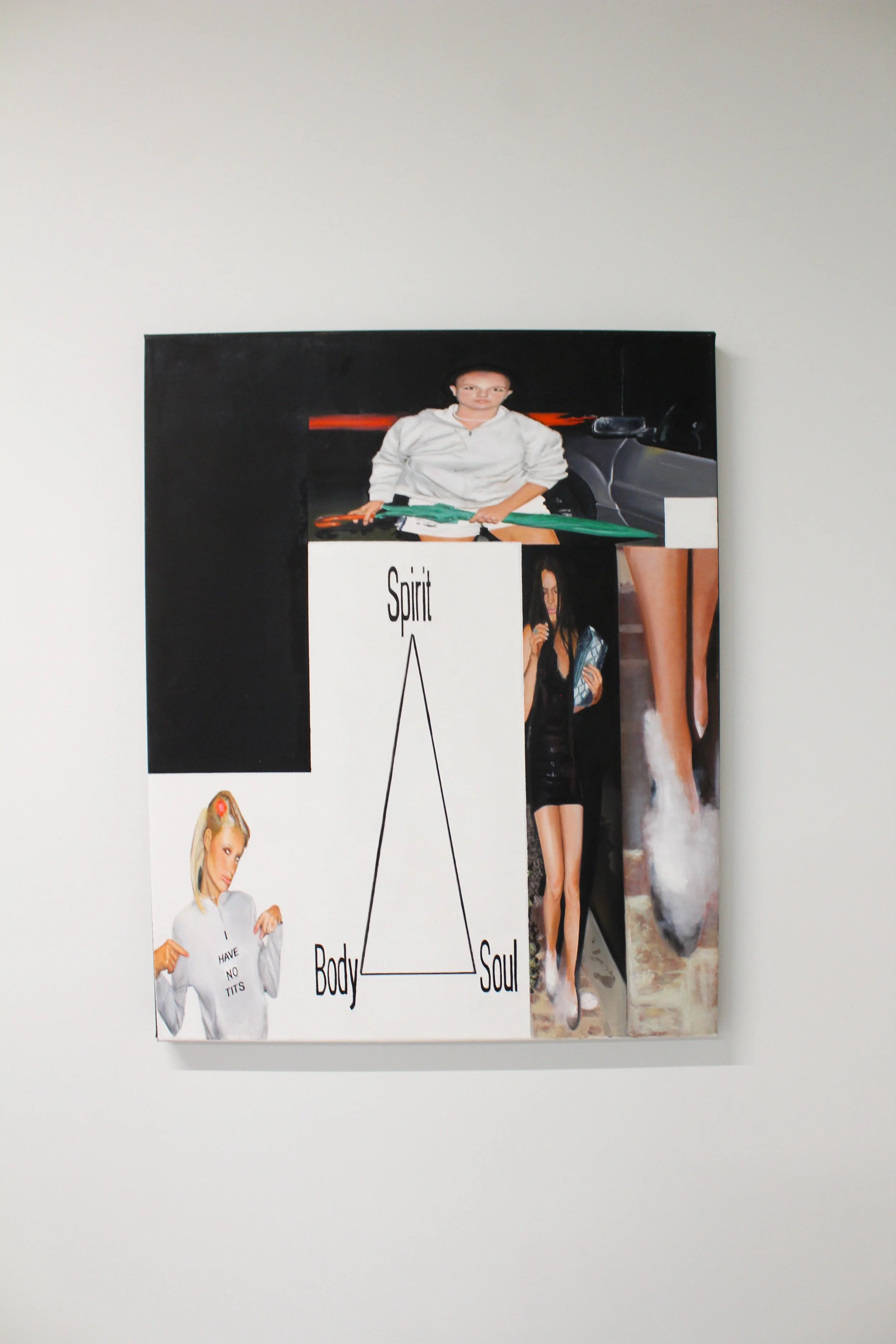
Contemporary digital culture has produced emergent structures that parallel, and in some cases displace, traditional systems of religious meaning-making. The screen, a new central site of devotion, has become the place in which existence is directed by the parasocial digital idols who establish aesthetic, ethical, and behavioral scripts for others to inhabit. The very act of posting has become a liturgical ritual that is akin to acts of affirmation and organized religion. Yet, unlike institutional religion, this techo-theology collapses the distinction between worshiper and worshiped: to be online is to occupy both roles simultaneously. In offering oneself to a dispersed and anonymous congregation, the user enacts a form of devotional performance structured by visibility and response. Aptly titled “N3O_iD011z,” (Neo-Idols), the artists in this exhibition gesture towards this emergent condition, positioning the digital image as a vessel for devotion, dependence and eventual disillusionment.
Amon Silex is a digital artist utilizing machine learning to create hyper-futuristic, absurd compositions, blending artificial techniques into an evolving visual language. Leah Ying Lin is a multidisciplinary artist who creates sculptural forms through metallic ceramics, metal, glass, and performance. Her kinetic works invoke obsession and displacement, revealing tensions embedded in contemporary culture. Demon Lovers is a duo composed of Dayana Matasheva and Edson Niebla. They produce emotionally charged videos that explore the mutation of storytelling under AI influence and the growing dominance of algorithmic logic in cultural production. Dew Kim reimagines faith, power, the body, and queerness by interweaving popular culture aesthetics with spiritual symbolism. Emma Beatrez’s paintings engage psychoanalytic notions of the symbolic and the real, alongside the emergence of new rituals that have become integral to everyday life. Viv Moe paints digital presence, translating online culture into a traditional medium. Her work draws from meme imagery and popular figures, reflecting on humor, repetition, and media disillusionment. Kate Williams uses her body to create narrative dialogues grounded in personal experience, examining how digital media shapes femininity, visibility, and selfhood. Considered together, these artists investigate the ambivalences of networked life, attending to the ways in which digital connectivity generates both pleasure and belonging, as well as isolation, distance, and fragmentation.